What a Typical Gainesville Mold Job Looks Like, Step by Step
Reading about mold is one thing. Picturing what actually happens in your house is another. This post walks through a typical remediation from the first phone call to the final handoff. The example is an illustrative composite, not an account of a particular customer. We are building a library of real project photos and will share them, with permission, as they become available. Until then, this is how we explain the process to people who ask what to expect.
The example
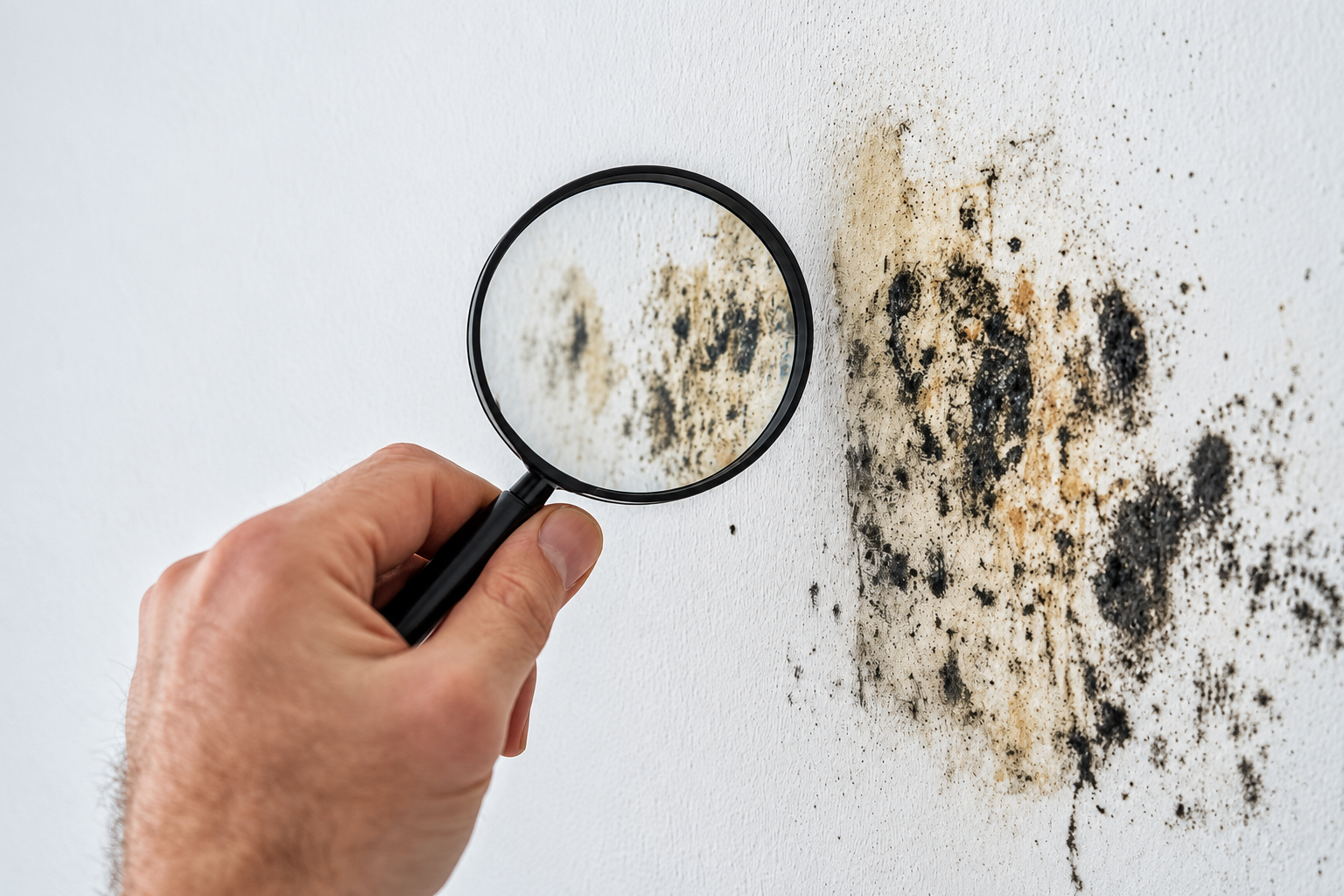
A homeowner in a 1990s Gainesville house notices a brown stain on a bedroom ceiling after several afternoons of heavy rain in July. There is a faint musty smell and a small patch of dark growth near the corner. Nobody in the home has been sick, though one family member has seasonal allergies. The homeowner takes photos and calls.
Step 1: The first call and photos
We ask where the stain is, when it started, what the weather was like, whether the AC runs in the attic above and whether any water is still coming in. Photos help: a wide shot of the room, a close-up of the stain and the ceiling above. At this stage we can usually tell whether it looks like a small surface problem, a leak that needs a roofer first or something a remediator should inspect. EPA says homeowners can generally handle mold under about 10 square feet on hard surfaces, but a ceiling stain with a roof leak above it calls for a closer look.
Step 2: The inspection
On site, we look at the ceiling, the walls and the attic above if it can be reached safely. We use a moisture meter to find damp drywall and wood and we look at roof decking, insulation and the AC drain pan. We photograph everything. If the roof is still leaking, we say so and recommend a roofer before cleanup starts. We explain the findings in plain words, including what we do not know yet, such as whether more mold is behind the wall.
Step 3: The written scope and price
After the inspection, the homeowner receives a written scope that lists the area, containment, air filtration, removal of the wet ceiling section and attic insulation, cleaning methods, drying, disposal, what is included and excluded and the price. Rebuilding is shown separately. Cost guides generally put a single-room job at roughly $1,500 to $6,000 before rebuild, and a quote is based on the specific work. If a claim is involved, the homeowner can share the scope and photos with the insurer. The assessor and remediator are separate licenses in Florida, and we do not test for mold. If the homeowner wants documentation or a clearance check, we recommend an independent licensed assessor.
Step 4: Fixing the water
The roofer repairs the leak and the homeowner confirms it is dry after the next storm. The AC technician checks the drain line. Cleaning before this step wastes money, because new water would feed new mold.
Step 5: Setting up containment
The crew protects the floor and furniture, seals the room with plastic barriers, sets up a HEPA air scrubber with negative air and closes off the vents in the work zone. The homeowner stays in another part of the house. EPA says not to run an HVAC system suspected of mold contamination, so the system serving the room is handled carefully.
Step 6: Removal
The crew wears protective suits, gloves, goggles and respirators. They cut out the wet ceiling drywall and remove wet insulation above it, bag the material inside containment and carry it out by a set route. EPA notes that porous materials may need to be discarded when mold grows in them. Framing is kept if it is sound.
Step 7: Cleaning and drying
Surfaces that remain are HEPA vacuumed and damp wiped. Fans and a dehumidifier dry the cavity, and the crew checks readings before they close anything up. EPA advises keeping indoor humidity between 30 and 50 percent, and the homeowner is shown how to track it with a small hygrometer.
Step 8: Verification and rebuild
For a job of this size, we suggest an independent assessor check the work and confirm the readings. After that, the ceiling is rebuilt, finished and painted. The homeowner receives photos, an invoice and a summary of what was done, and is told what to watch over the next weeks.
What the homeowner receives
- A written scope and price before work begins
- Dated photos of the area before, during and after
- Moisture readings and notes
- An invoice and warranty terms
- A recommendation for independent verification when it makes sense
- Clear steps for preventing the problem from coming back
Why we start with the water
The most common reason mold returns is that the moisture was never fixed. That is why we start with the cause and why a good scope names who fixes it. See why mold keeps coming back and our process page. For a timeline, read how long mold remediation takes.
What changes from house to house
A condo, a rental, a crawl space or an air handler changes the plan. In a condo, the association may need to be involved. In a rental, the landlord authorizes work. A crawl space or attic has tighter access. A job with floodwater involves other safety steps. If your situation is different, tell us and we will explain the differences.
Common questions about the example
Would a real job always follow these steps? The order is typical, but the details change with the cause, the size and the building. What if more mold is found behind the wall? We stop, show you, explain what changes and get your approval in writing before extra work. Can the job be done faster? Some steps can overlap, but drying and verification should not be rushed.
Need a second opinion on what you found?
Call (352) 668-9909 or send photos. We will tell you honestly whether it is a small job you can handle, a leak for a plumber or roofer to fix first, or a job for a licensed remediator. PureGuard Restoration is a remediation contractor and does not test for mold. For testing or a clearance check, we point you to an independent licensed assessor.
PureGuard Restoration
Call or text (352) 668-9909 · Email contact@moldremediationofgainesville.com