Renting Near UF? Mold Questions to Ask Before You Sign a Lease
In a college town, leases for next fall are often signed months ahead, which means many Gainesville renters pick an apartment or house in winter and early spring based on a tour, a few photos and a price. That is also when a unit can hide a problem. Mold is rarely visible on a tour, but the signs of moisture usually are, if you know where to look and what to ask. This guide is written for students, parents and guarantors who want to avoid a mold surprise in August.
Why rentals near campus have their own mold risk
Student housing has a pattern: units sit empty between leases or over summer, showers run several times a day, closets are packed tight, and the air conditioner may be turned off to save money. In Gainesville, summer humidity is high for months, so an empty unit with the AC off can grow mold quickly. Add shared walls, shared roofs and plumbing stacks, and a leak upstairs can become your problem. None of that means every building has mold. It means you should check the things that cause it.
What to look at on the tour
- Smell. Stand in a closet and the bathroom and breathe in. A musty odor is a warning, even if the unit looks clean.
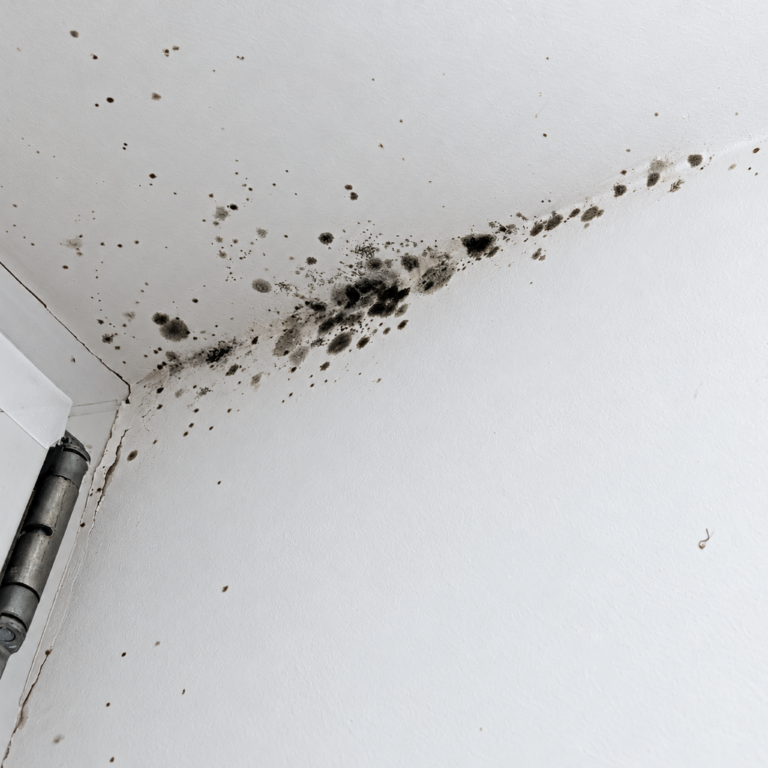
- Ceilings. Look for brown rings, bubbling paint or fresh patches that do not match the surrounding paint.
- The AC closet. Open it. Rust, water in the drain pan or wet insulation point to a drain problem.
- Under sinks. Look for staining, swollen cabinet floors and drips.
- Windows and sliders. Check for water stains on the sill and soft trim.
- Bathroom fan. Turn it on. If it barely moves a tissue held to the grille, humidity will stay in the room.
- Baseboards and carpet. Press with your hand. Damp or cupped flooring is a red flag.
Take photos of anything you see. If you are touring with a parent or guarantor, ask them to take a second set of pictures so you have a dated record.
Questions to ask the landlord or property manager
- Has this unit or building had a leak, flood or mold problem in the past three years?
- When was the AC last serviced, and who clears the drain line?
- Is there a mold or moisture addendum in the lease, and what does it require of me?
- How do I report a maintenance problem, and how fast do you respond?
- What happens if I report mold? Who inspects, who fixes it and who pays?
Ask for the answers by email so you have them in writing. A landlord who answers clearly is a better sign than one who dodges.
Reading the lease
Many leases include a mold or moisture addendum. It may ask you to report leaks promptly, run fans, keep the AC on and avoid blocking vents. That is reasonable. Be careful with language that says the tenant accepts all mold risk or waives claims, because a lease cannot cancel the duties that Florida law places on landlords. Section 83.51 of the Florida Statutes generally requires landlords to comply with applicable building, housing and health codes or, where no codes apply, to keep structural components and plumbing in working order, and section 83.56 sets out notice and termination steps. This is general information, not legal advice. If a clause worries you, ask UF student legal services or a tenant attorney before you sign.
On move-in day
- Photograph every room, including closets, ceilings, bathroom walls and under the sinks.
- Write down stains, smells and damage on the move-in form and keep a copy.
- Email the photos and notes to the property manager the same day.
- Buy a small hygrometer. EPA recommends indoor humidity between 30 and 50 percent.
- Set the AC so it runs. Do not turn it off while you are away in summer.
How to keep a rental dry
Run the bathroom fan during and after showers, wipe wet walls, keep furniture a few inches from exterior walls and do not leave wet laundry in a hamper. Report drips and stains in writing the day you see them. A short message with a photo, sent through the maintenance portal and by email, creates a record. If the problem is a building issue, such as a roof leak or a plumbing leak in the wall, the repair is generally the landlord’s responsibility.
If you find mold after you move in
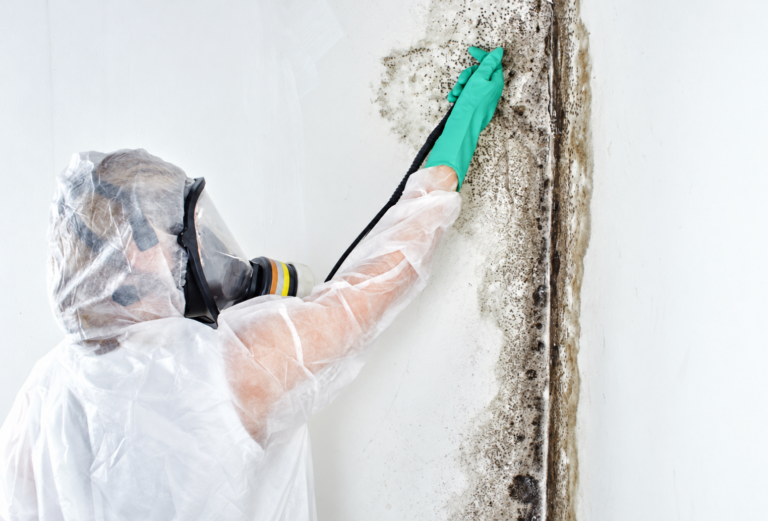
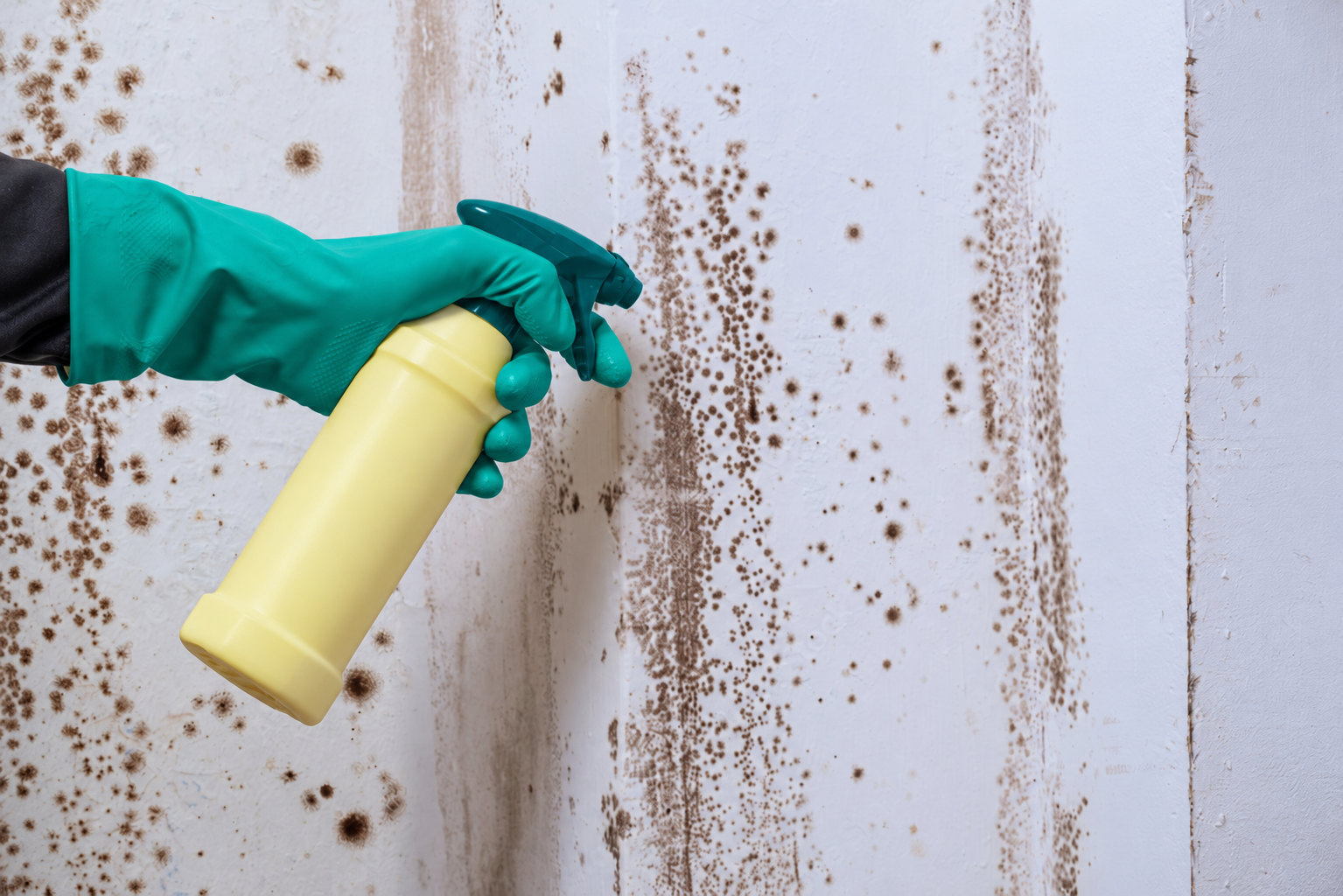
Photograph it, find the likely water source and send a written notice. Our mold notice letter is a plain template you can adapt. If the patch is small, hard-surfaced and under about 10 square feet, EPA says you can generally clean it with detergent and water while wearing an N-95 respirator, goggles and gloves, but do not remove walls or floors in a rental without permission. For anything larger, ask the landlord to arrange a licensed remediator. See the UF student checklist and who to call about mold.
Protect your belongings and your deposit
Renters insurance can cover belongings after a covered water event, though it often limits mold, so read the policy. See renters insurance and mold. At move-out, photograph each room again and keep your move-in photos with them. Section 83.49 of the Florida Statutes covers security deposits, and a landlord who claims a charge for damage should give you the reason in writing. Keep your notices and photos in one folder.
A note for parents and guarantors
If you co-sign a lease, you are often the person the landlord calls first. Ask for copies of the lease, the move-in report and any mold addendum. Keep the dated photos your student takes. If a problem comes up, help your student send a written notice rather than a phone call, and keep the replies. If the landlord does not act, the City of Gainesville and Alachua County handle some housing code complaints, and legal aid or a tenant attorney can explain options. You can also call us for a written scope of work to share with the landlord, although the landlord arranges the work in a rental.
Quick red, yellow and green flags
- Green: dry closets, a clean AC closet, a working bathroom fan, clear answers in writing.
- Yellow: a faint musty smell, old stains that look dry, no record of AC service.
- Red: active leaks, wet carpet, visible mold, or a landlord who dismisses questions.
Need a second opinion on what you found?
Call (352) 668-9909 or send photos. We will tell you honestly whether it is a small job you can handle, a leak for a plumber or roofer to fix first, or a job for a licensed remediator. PureGuard Restoration is a remediation contractor and does not test for mold. For testing or a clearance check, we point you to an independent licensed assessor.