After Hurricane Season: A 30-Minute Mold Check for Your Gainesville Home
Hurricane season in Florida runs from June 1 through November 30, so the end of the season is a good time to look at what the summer left behind. Gainesville gets roughly 50 inches of rain a year, most of it between June and September, and storms like Hurricane Irma in 2017, Tropical Storm Elsa in 2021 and Hurricane Helene in 2024 reminded many homeowners that wind-driven rain finds weak spots in roofs, windows and flashing. A leak you never noticed can still be feeding mold in an attic or wall. This post gives you a 30-minute walk-through you can do yourself.
Before you start
Grab a flashlight, a phone to take dated photos and, if you have one, a cheap humidity meter (a hygrometer). EPA recommends keeping indoor humidity between 30 and 50 percent, so a reading above 50 percent for days at a time is a warning sign. Open a notes app so you can write down where you see anything unusual. If you find mold, do not scrub it first. Photograph it, then decide what to do.
Minutes 1 to 10: the ceilings and the attic
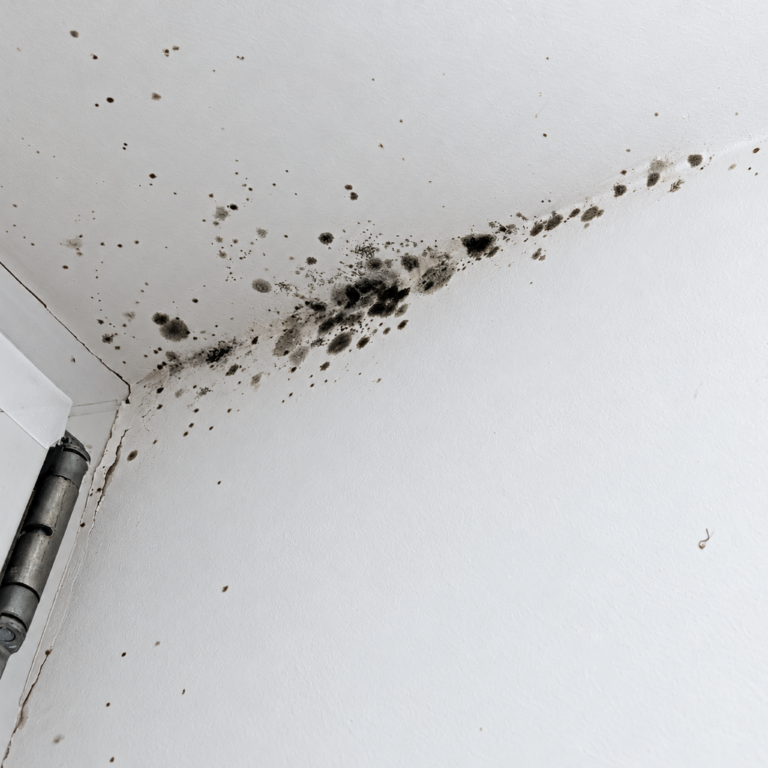
Walk through every room and look up. Brown rings, bubbling paint, sagging drywall or a musty smell near a ceiling point to water from above. Then, if you can reach the attic safely, look at the underside of the roof deck, the insulation and the area around vents, chimneys and the air handler. Wet or matted insulation, dark staining on wood or rust on nail tips can show a slow roof leak. Do not walk on drywall, and do not go into a hot attic in the afternoon.
- Photograph every stain with a ruler or coin for scale.
- Mark the edge of a stain with a pencil and the date so you can see whether it grows.
- If insulation is wet, it usually has to be removed and replaced, because it dries slowly.
Minutes 10 to 15: the AC closet
In a Gainesville summer the air conditioner works almost every day, and its condensate drain can clog. Open the closet and check for water in the drain pan, a wet floor, damp insulation on the air handler or rust at the base. Look at the duct connections for water droplets. If you see standing water, call an AC technician to clear the line. EPA advises not to run an HVAC system that you know or suspect is contaminated with mold, so if you see growth on the air handler or inside vents, turn the system off and get it checked.
Minutes 15 to 20: windows, doors and exterior walls
Run a hand along the bottom of window frames and sliders. Soft paint, swollen trim, black stains on the caulk or a musty smell near a window show repeated moisture. Outside, check the seals, the flashing above windows and where the siding meets the roof. Make sure the ground slopes away from the house and that gutters are clear. EPA lists ground that slopes toward the building as a common source of indoor moisture.
Minutes 20 to 25: bathrooms, closets and the kitchen
These are the rooms where small leaks and humidity hide. Look under every sink with a flashlight, check the base of the toilet, and press on the floor near the tub. Check the back of closets on outside walls, which often have little air flow. In kitchens, look behind the refrigerator ice-maker line and under the dishwasher. Run the bathroom fan and confirm that it moves air; a fan that only makes noise does not remove humidity.
Minutes 25 to 30: the garage, crawl space and slab
Garages and utility rooms flood first in heavy rain. Look at the bottom of walls and stored cardboard boxes for stains and a musty odor. If your home has a crawl space, which is common in older neighborhoods such as Duckpond, check for standing water, damp soil, sagging insulation or blocked vents. On slab homes, look for damp carpet edges and baseboards that stain from the bottom up.
What to do with what you find
- Fix the water first. Mold needs moisture. A plumber, roofer or AC technician fixes the source.
- Dry within 24 to 48 hours. EPA says wet materials should be dried within that window when possible, using fans and a dehumidifier.
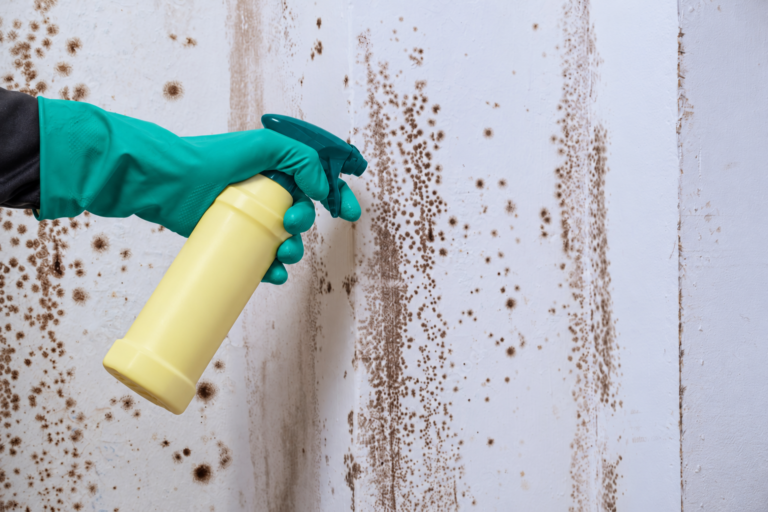
- Handle small hard-surface patches yourself. EPA says homeowners can generally handle about 10 square feet or less, using detergent and water, an N-95 respirator, goggles and gloves. See can I clean mold myself.
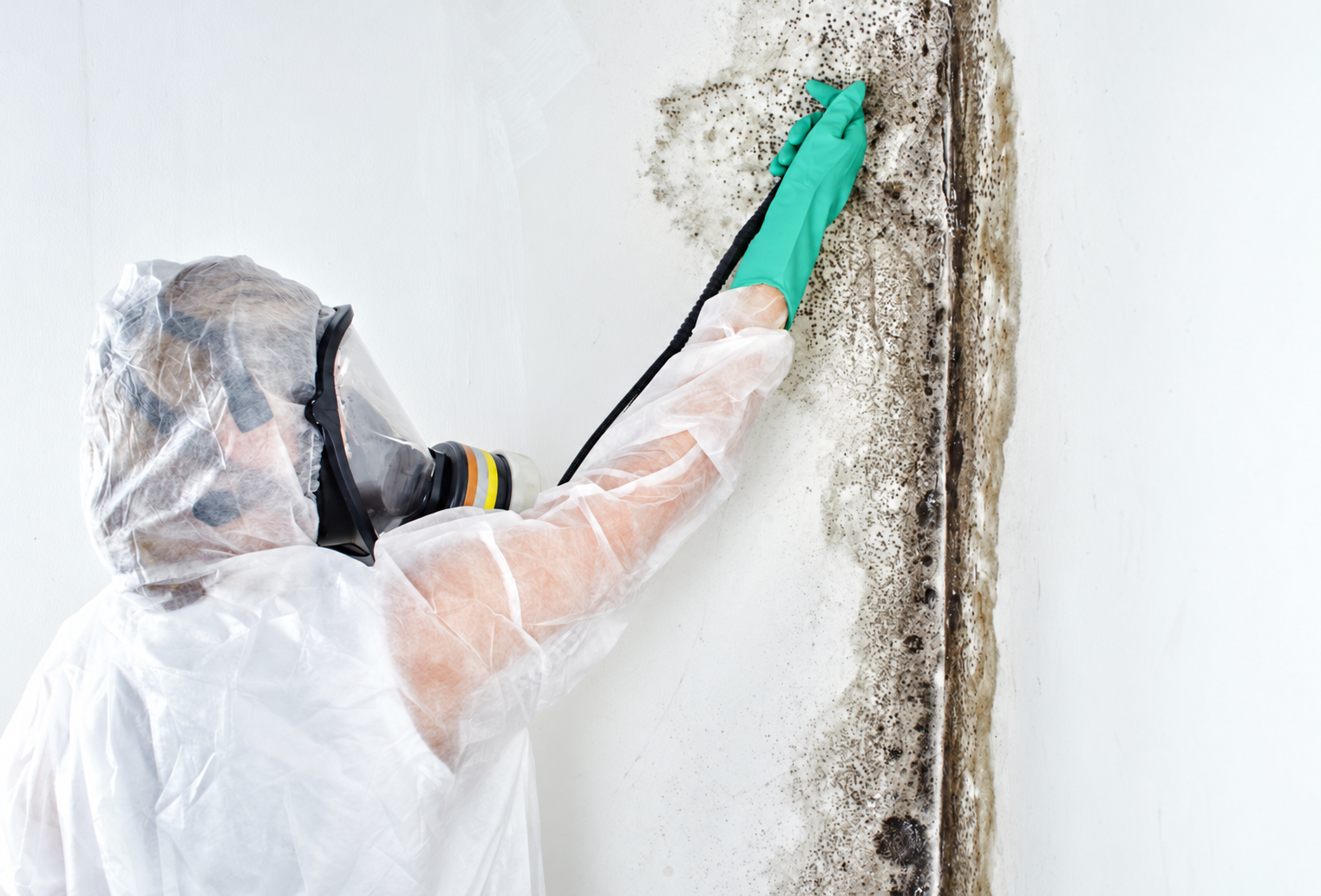
- Call a professional for more. Mold larger than about 10 square feet, growth in drywall or insulation, hidden mold, sewage or floodwater, or anything involving the HVAC system calls for a licensed remediator.
- Keep records. Dated photos and receipts help with an insurance claim. Newer Florida policies have shorter filing deadlines, so report storm damage promptly. See our mold claim checklist.
Winter is not mold-free
When cooler nights arrive, condensation can form on windows, exterior walls and cold pipes. Keep running bathroom fans, wipe water off glass and keep furniture a few inches from outside walls. A house closed up for the season with the AC set high can still hold humidity. Keep checking the hygrometer through December. The mold season calendar has a month-by-month plan, and the hurricane season checklist helps you prepare for next year.
A simple end-of-season routine
- Service the AC and clear the drain line before the next wet season.
- Replace the roofing flashing or sealant that looks cracked.
- Photograph the exterior and interior of the house while it is in good condition.
- Store your insurance policy and contact numbers in one place.
- Check your mold sublimit and flood coverage with your agent.
Need a second opinion on what you found?
Call (352) 668-9909 or send photos. We will tell you honestly whether it is a small job you can handle, a leak for a plumber or roofer to fix first, or a job for a licensed remediator. PureGuard Restoration is a remediation contractor and does not test for mold. For testing or a clearance check, we point you to an independent licensed assessor.